


Food Waste
Need for action
“It is too late for me to contribute to reducing food waste…”
By adopting simple everyday habits you will contribute significantly to reducing food waste.
What you can do at home
- Plan your meals.
- Reuse leftovers so you can eat them at another time.
- Serve normal portions and go for seconds if needed.
- Freeze selected foods. Keeping selected foods frozen both preserves them for longer and makes everyday life easier (e.g. defrosting ready meals kept in the freezer).
- Use food smartly. Smart use of food can significantly reduce food waste (e.g. fruit that has gone soft can be used to make juices, etc.).
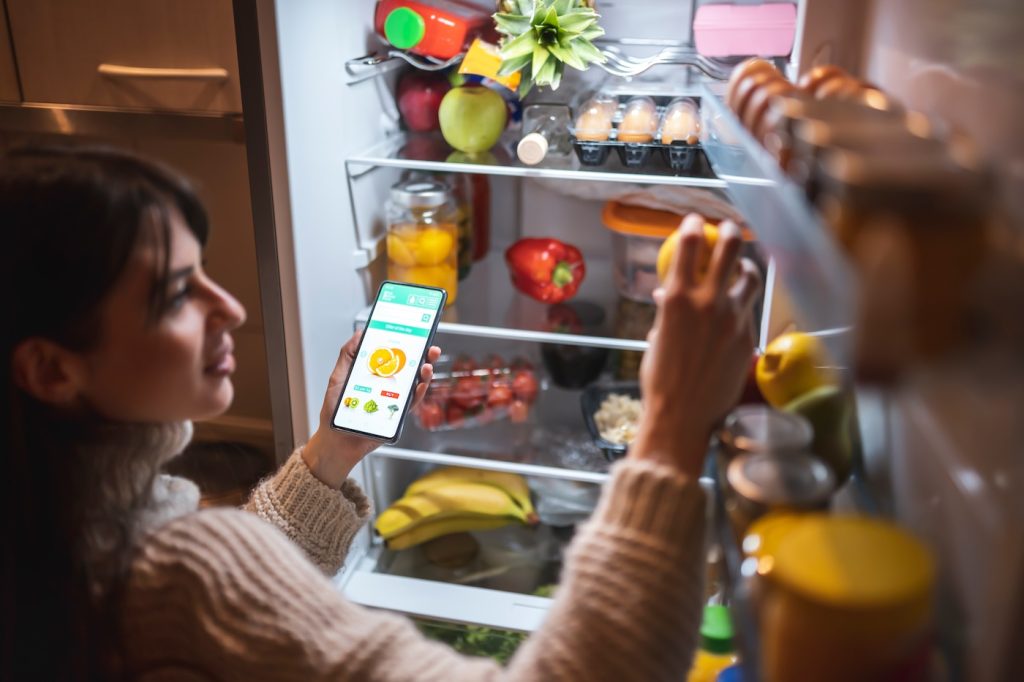
- Store food correctly. Check the labels for storage instructions first, and make sure your fridge is between 1–5°C, or at -18°C for foods that need freezing.
- Keep butter, margarine and juices in the upper part of the fridge or on the shelves.
- Always know what is in your cupboard and your fridge.
- Rotate your food regularly. When you buy new food, move the older items to the front (e.g. in food cupboards or in the fridge) and store the new ones further back.
Know your food dates!
The markings “Use by…” or “Expiry date…” relate to food safety, meaning the product can be safely consumed until the date indicated.
The marking “Best before…” relates to food quality; it refers to the period during which the product retains its quality characteristics and can be safely consumed even a few days after the indicated date (provided storage instructions are followed and the packaging is not damaged).
Store perishable foods properly
That is, foods with a high protein and moisture content, which favour the rapid growth of micro-organisms (e.g. meat, poultry, eggs, dairy, fish, shellfish, etc.). To preserve them:
- Do not overload your fridge.
- Do not put food in the fridge without first covering it or placing it in closed containers.
- Never put hot food in your fridge.
- Store raw meat and poultry separately from ready-to-eat (cooked) meat and poultry products, cooked rice, desserts, etc.
- Keep dairy products, especially soft creamy cheeses, in the coldest part of your fridge.
Compost!
Composting is a natural, simple decomposition process that turns selected food scraps, as well as garden trimmings, into a dark, crumbly, earthy-smelling material known as compost. It is essentially a natural soil improver — in other words, a natural fertiliser.
What you can do at the food stores you visit
- Before shopping, prepare a list of what you want to buy.
- Buy only the quantities you need.
- Shop for food produced in your area (or nearby). Transporting food over very long distances contributes to increased food waste.
- Choose food of good nutritional value, not necessarily perfectly shaped (e.g. vegetables with unusual shapes).
- Choose the right package sizes based on the space you have available.